Breaking Barriers to the Moon and Back:
How Margaret Hamilton's Software Sent
Men to the Moon
As a Software Engineer
Software Pioneer Margaret Hamilton on Apollo 11 . Christie's. July 1, 2019.
During Hamilton’s early career, few people understood software; even fewer foresaw its impact. Initially, code was created on paper, not computers. Today’s average smartphone could easily outperform Apollo 11’s computers, although Apollo 11’s were the most modern computers at that time.
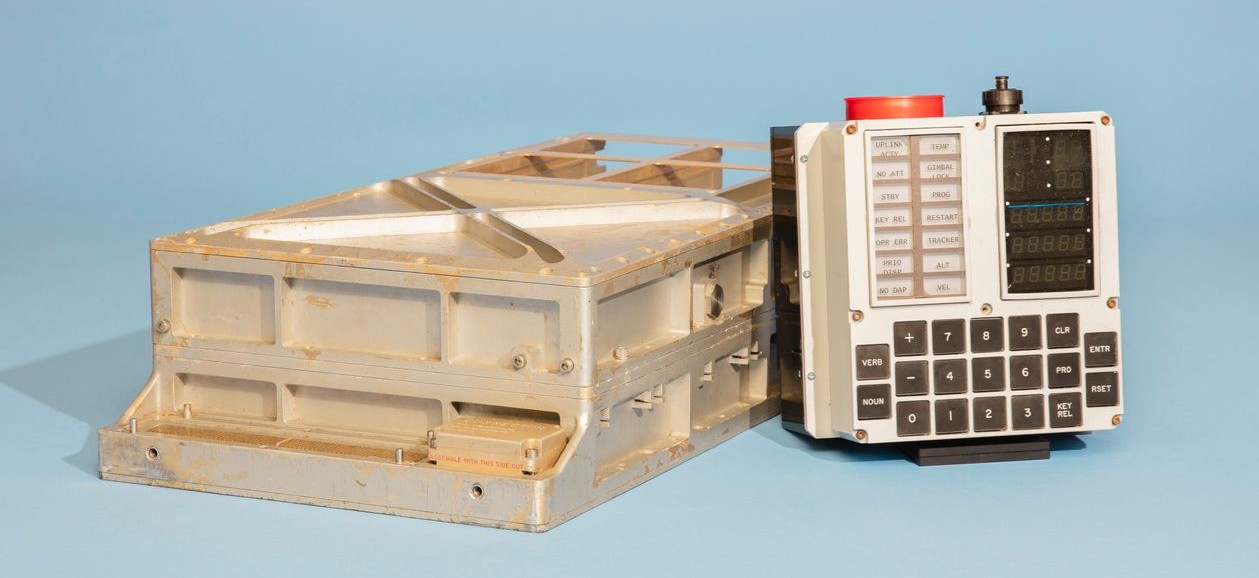
An Apollo guidance computer from an early lunar module. Wall Street Journal. No date.
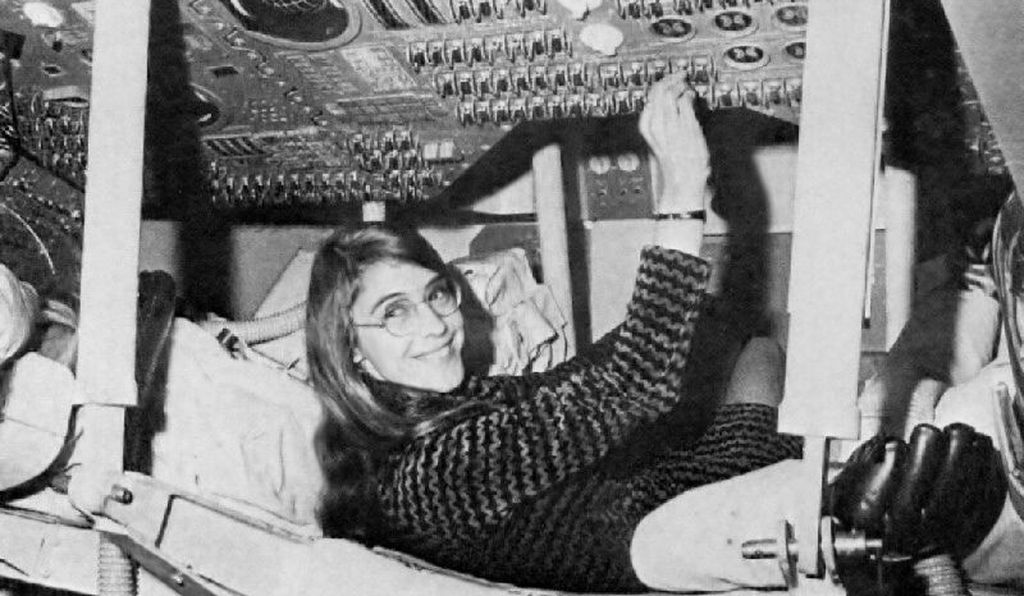 Software designer - Margaret Hamilton, Lead Apollo Flight Software Designer. NASA. No date
“Engineer” is associated with people who build complex machines or structures. Hamilton recognized that engineers received more respect than programmers. Realizing that programming was engineering, she gave her job a new name: “software engineer.” In 1965, Hamilton became the director of MIT’s Software Engineering Division.
"Software during the early days of this project was treated like a stepchild and not taken as seriously as other engineering disciplines, such as hardware engineering; and it was regarded as an art and as magic, not a science."
- Margaret Hamilton
Hardware were the switches and machinery that made up Apollo spacecraft. Hamilton wrote the “software” that guided the spacecraft. Software was written in binary code that were then threaded as core ropes and read by machines. Hamilton encountered many NASA engineers who thought hardware could work alone and vastly undervalued software’s capabilities.
Hardware vs. Software
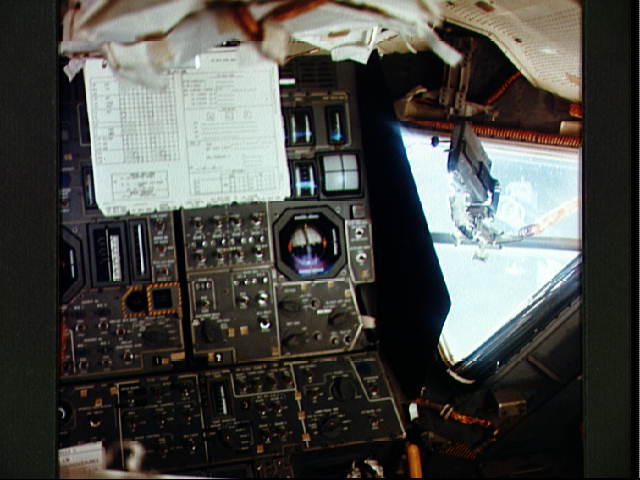
Interior view of Apollo 11 Lunar Module showing displays and controls. NASA. July 20, 1969.
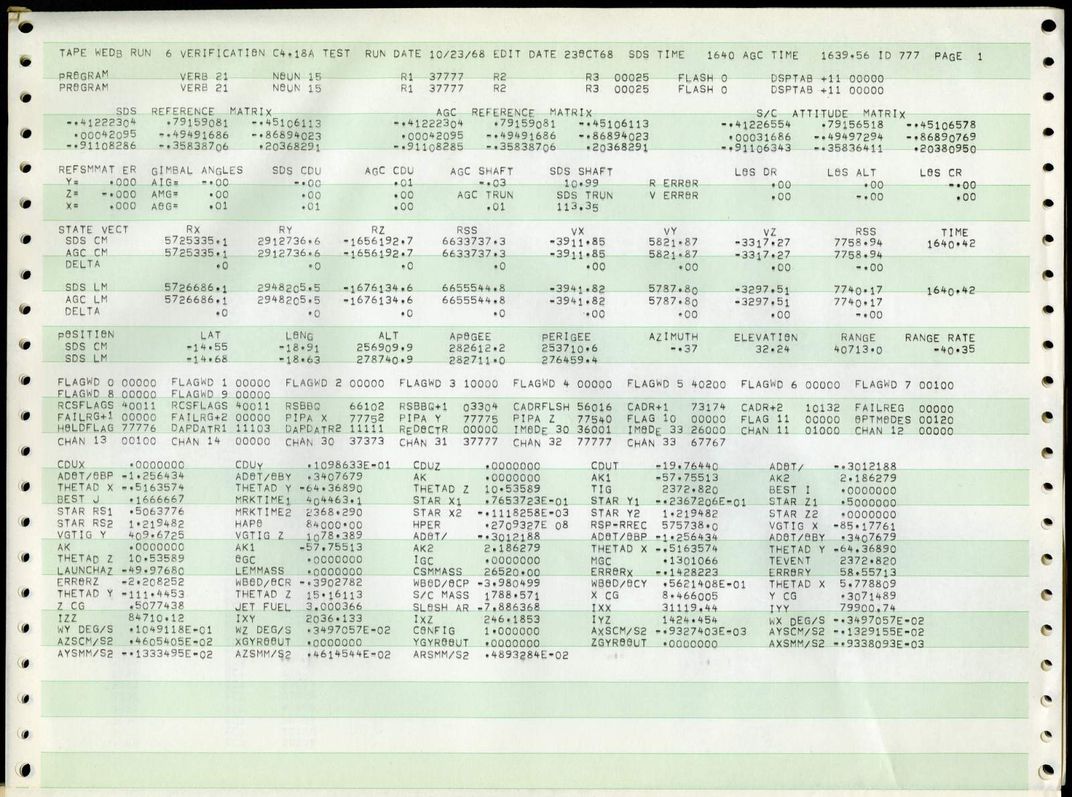
Apollo Flight Guidance Software. Smithsonian Magazine, No date.