Codebreaking the Glass Ceiling:
Women on the Frontier of WWII Cryptanalysis
Smith, Dan V. WAAC - This is My War Too!. Hennepin County Library. 1943.
U.S. NAVY WAVES - Women Accepted for Volunteer Emergency Service. Periscope Film. Ca. 1942.
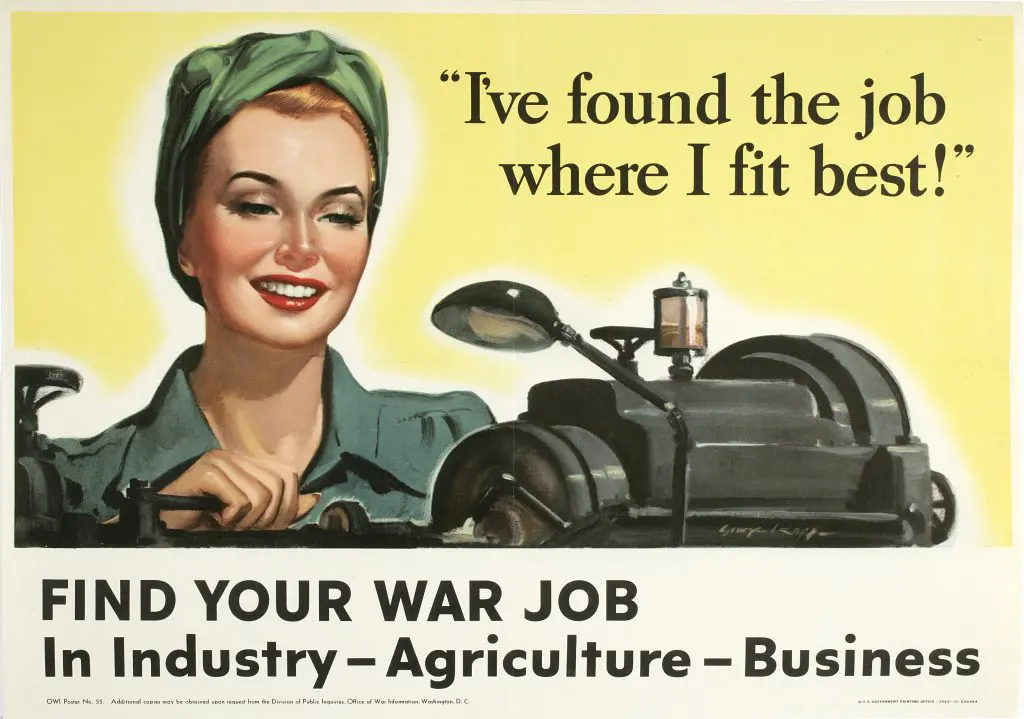 I've
found the job where I fit best! New York Historical Society Library. 1943.
I've
found the job where I fit best! New York Historical Society Library. 1943.Though World War II created many jobs in the U.S. military, men sent to battle could not fulfill them. Thus the military reached out via propaganda posters and newspapers, advertising opportunities only for women.
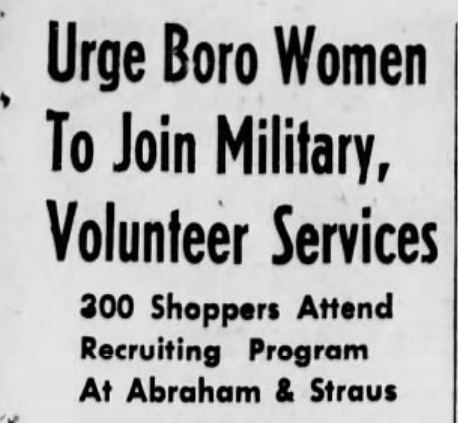 Urge Boro
Women to Join Military, Volunteer Services. The Brooklyn Daily Eagle.
Sept 17, 1943.
Urge Boro
Women to Join Military, Volunteer Services. The Brooklyn Daily Eagle.
Sept 17, 1943.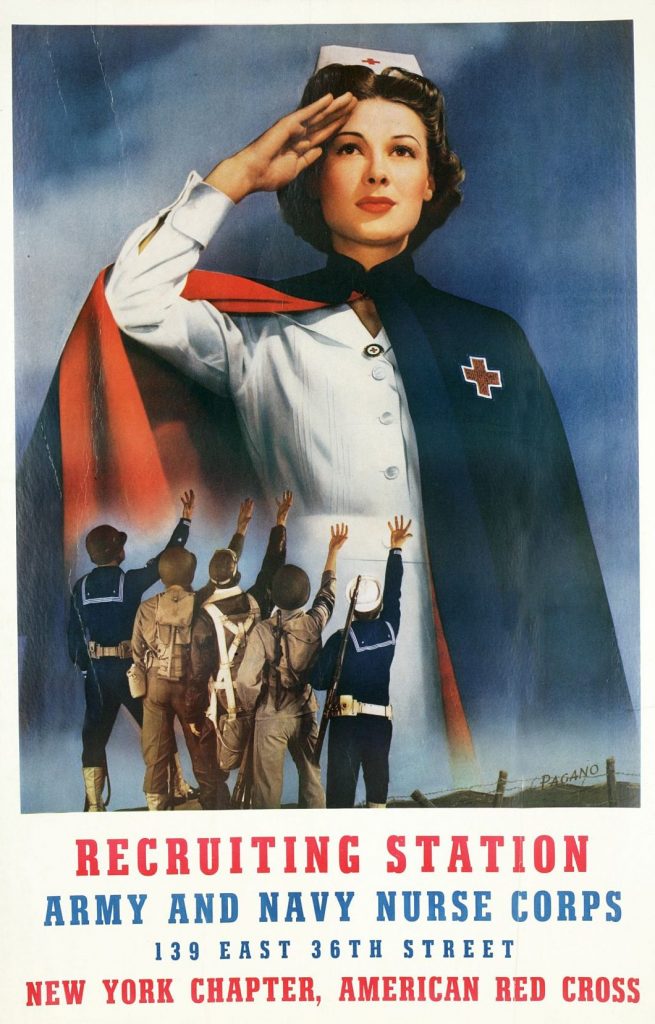 Red Cross
Recruiting Poster, Army and Navy Nurse Corps. New York Historical Society Library.
Red Cross
Recruiting Poster, Army and Navy Nurse Corps. New York Historical Society Library.
Previously, women had worked in military civilian fields as nurses, cooks, and launderers. Although officials were strongly opposed to the employment of women in the military, Congresswoman Edith Nourse Rogers sponsored a bill to create The Women’s Army Auxiliary Corps (WAAC, later known as WAC) in May 1942, allowing women across a frontier once excluding them from military service.
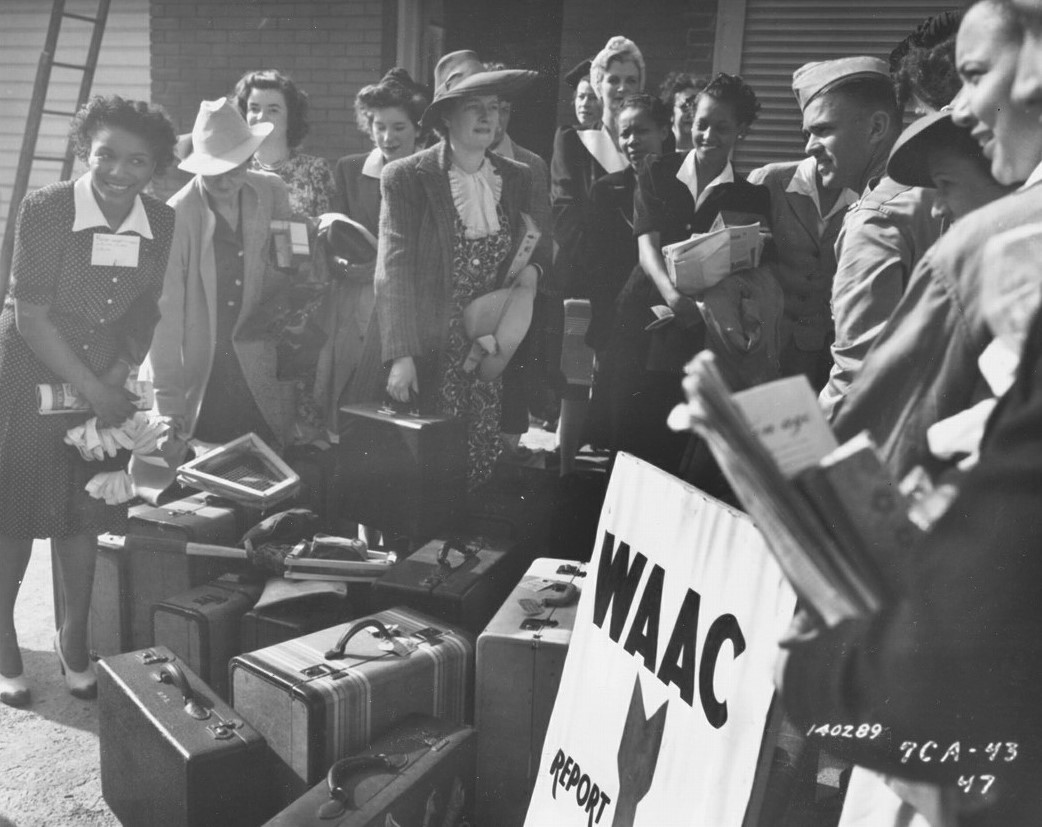 WAAC
Recruiting. 1943.
WAAC
Recruiting. 1943.
WAAC
Recruiting. 1943.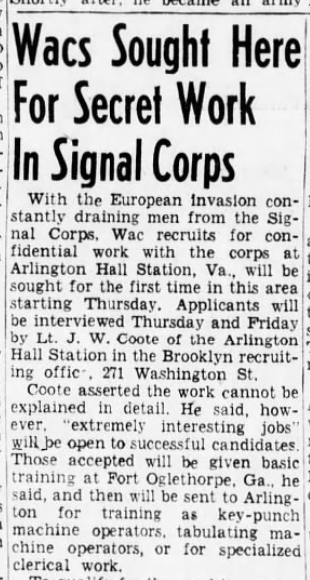 WACS Sought
Here For Secret Work In Signal Corps. The Brooklyn Daily Eagle.
June 24, 1944.
WACS Sought
Here For Secret Work In Signal Corps. The Brooklyn Daily Eagle.
June 24, 1944.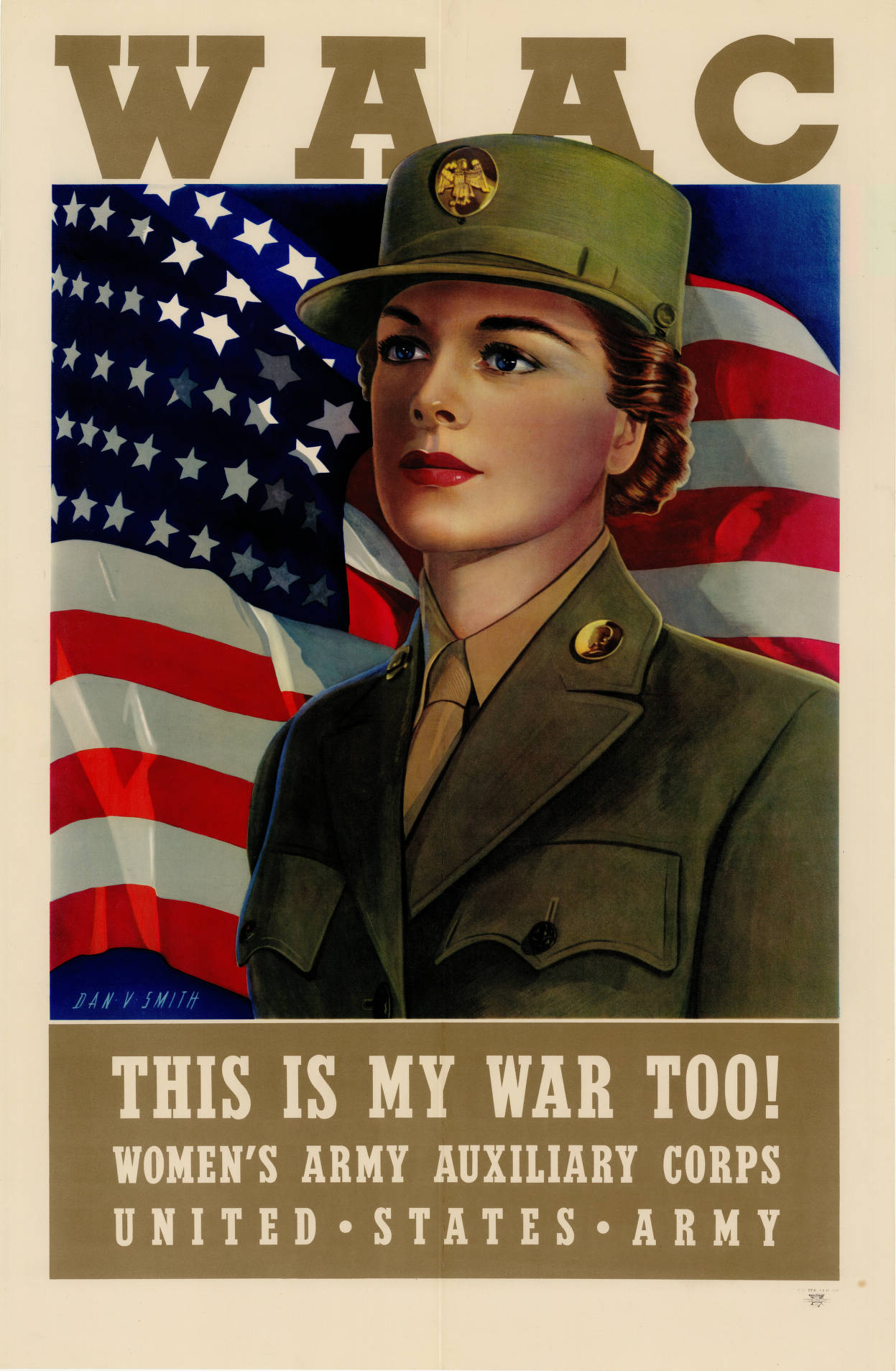 Smith, Dan V.
WAAC - This is My War Too!. Hennepin County Library. 1943.
Smith, Dan V.
WAAC - This is My War Too!. Hennepin County Library. 1943.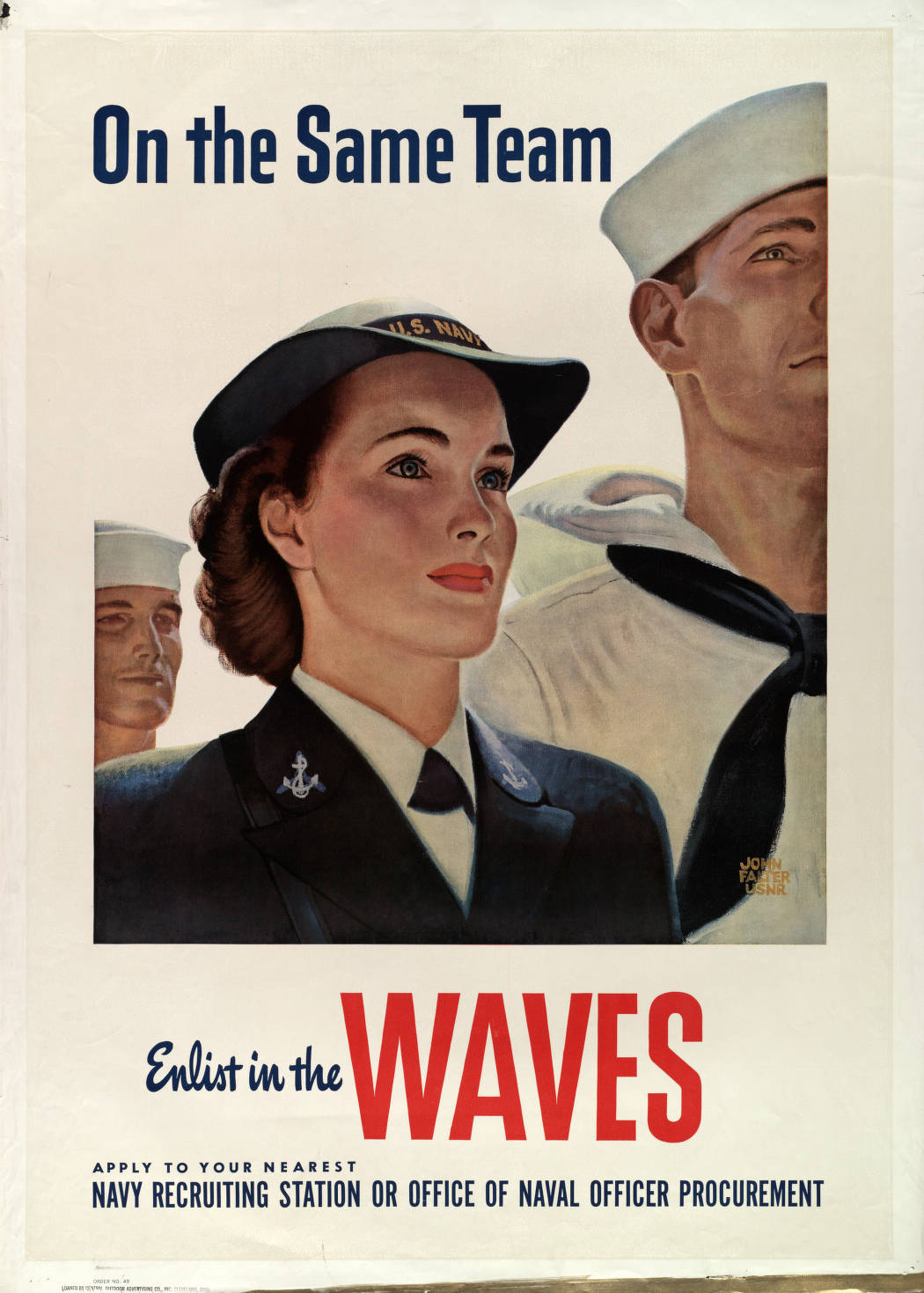 Falter, John
Phillip. On the same team - Enlist in the WAVES. Hennepin County Library. 1943.
Falter, John
Phillip. On the same team - Enlist in the WAVES. Hennepin County Library. 1943.Two months later, the Women Accepted for Volunteer Emergency Service (WAVES) was founded, allowing women into the navy. During World War II, about six million women worked in military jobs previously exclusive to men, building and repairing airplanes and ships, analyzing photographs, and operating radios.
U.S. NAVY WAVES - Women Accepted for Volunteer Emergency Service. Periscope Film. Ca. 1942.
The Germans’ use of encrypted radio transmissions required many military women to work in the novel field of cryptanalysis.